
Upholding Ecological Bottom Lines and Unleashing Industrial Value: GPC Creates Incremental Space Amid Green Transformation

In 2018, Guizhou Province put forward the goal of "strengthening the comprehensive utilization of phosphogypsum and gradually achieving production-consumption balance". This initiative charted the course for the green transformation of the local phosphorus chemical industry in the province. Seizing this opportunity, GPC accelerated efforts to address the bottleneck in phosphogypsum absorption. At its Guizhou base, through the systematic advancement of multi-path utilization, the comprehensive utilization rate of phosphogypsum rose to 78.62% in 2024. In the meantime, GPC’s bases outside Guizhou also carried out phosphogypsum absorption work in parallel. The Dazhou base in Sichuan Province achieved production-consumption balance by means of building material utilization; the Shanghang base in Fujian Province absorbed approximately 1.4 million tons of phosphogypsum annually through collaboration with downstream enterprises; the Jinchang base in Gansu Province steadily expanded the scale of external sales, continuously improving its utilization level.
As early as around 2005, GPC launched exploration into the comprehensive utilization of phosphogypsum, taking technological innovation as the primary driver. Centering on key links such as purification, stabilization, modification and product adaptation, the company has carried out systematic R&D efforts continuously, made breakthroughs in a number of core key technologies, established a technical system covering source control, process treatment and terminal application, and gradually developed six major comprehensive utilization paths. In the field of underground filling, the Group produces filling materials by mixing modified phosphogypsum with cement, fly ash and other components, which are applied to the treatment of goafs. This approach can absorb over 2 million tons of phosphogypsum each year, enhancing resource recovery rate while effectively reducing the risk of geological disasters in mining areas. This technological achievement once won the Second-Class National Science and Technology Progress Award.
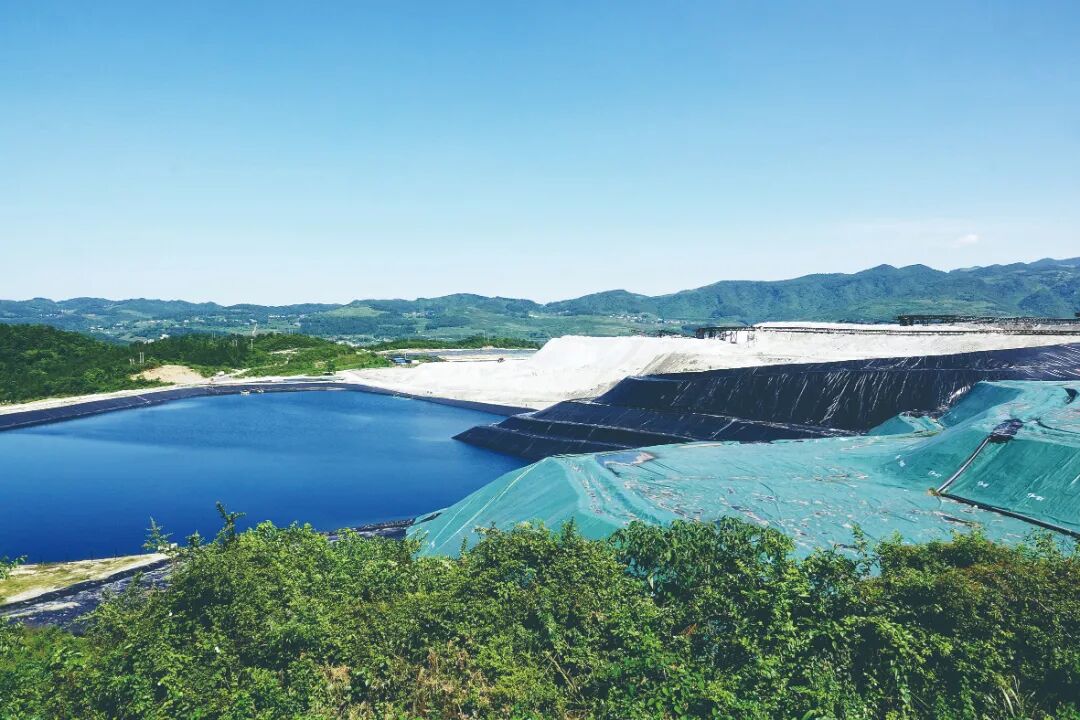
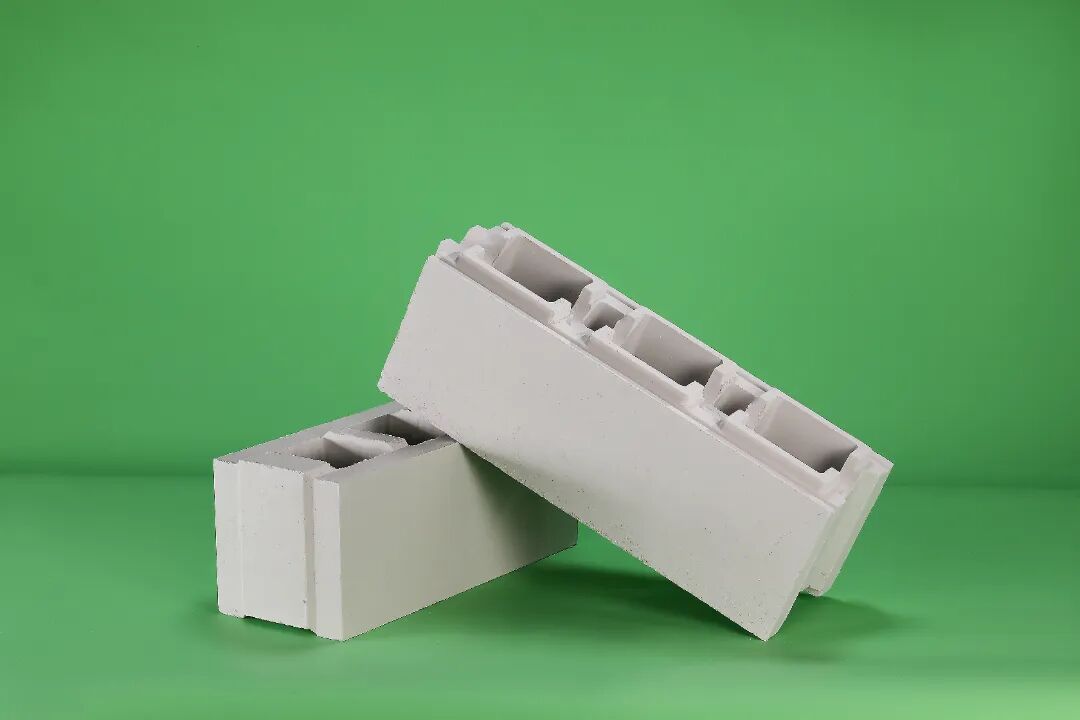
In the field of ecological restoration, phosphogypsum is used in projects such as mine governance and rocky desertification remediation, absorbing about 3 million tons on average per year and providing a new solution to the ecological restoration challenges faced by resource-based regions. In terms of industrialization utilization, the world’s largest phosphogypsum decomposition plant for co-producing sulfuric acid and cement (the "1468 Project") was completed and put into operation in Guizhou in 2024. This project can absorb 1.4 million tons of phosphogypsum annually, while simultaneously producing 650,000 tons of sulfuric acid and 800,000 tons of cement, realizing the goal of "using waste as raw materials and creating synergistic value-added benefits". At present, the Group is accelerating the deployment of similar projects at bases in Xifeng, Kaiyang and other places in Guizhou Province, which is expected to form an annual capacity of absorbing over 4 million tons of phosphogypsum in the future. In addition, in the fields of new building materials and polymer fillers, GPC took the lead in breaking through technical bottlenecks, developing products such as gypsum plasterboards, gypsum modules, high-temperature anhydrous gypsum and its polymer materials. These products have driven phosphogypsum utilization from low-value-added to high-end applications, with some products entering the international market. Among them, the high-quality anhydrous gypsum launched this year demonstrates significant advantages in four aspects—stability, whiteness, fineness and cost-effectiveness—and can meet the high-standard requirements for gypsum materials across various industries.

Promoting the comprehensive utilization of bulk industrial solid waste is a crucial component of high-quality development, as well as an important benchmark for evaluating the effectiveness of enterprises’ green development efforts. Objectively speaking, the comprehensive utilization of phosphogypsum remains a long-term and arduous systematic project. In response to this, GPC adheres to a problem-oriented approach and advances the work in a systematic manner. Moving forward, the Group will make overall plans focusing on phosphogypsum storage facility governance, harmless treatment, large-scale absorption and utilization, as well as clean production at the source. Meanwhile, the Group will continue to focus on three major industrialization directions—new building materials, decomposition for sulfuric acid production and polymer fillers—deepen technological innovation and industrial collaboration, promote cross-industry, multi-gradient and high-value-added utilization of phosphogypsum, and strive to transform "industrial by-products" into "new resources" that underpin green development.


